
Type 2 diabetes
Fast facts
- Type 2 diabetes is a long-term condition. Without treatment, it leads to high levels of glucose (sugar) in the blood.
- The risks for developing type 2 diabetes includes an unhealthy lifestyle, obesity, genetic factors and having family members with the condition.
- It is a treatable condition that involves lifestyle changes, monitoring of blood glucose levels, medications and care from a team of health professionals.
- If the condition is not carefully managed, it can lead to a range of potential complications.
- Type 2 diabetes can largely be prevented by maintaining a healthy lifestyle.
What is diabetes?
Diabetes is a group of conditions that affect the ability of your body to control the level of glucose (sugar) in the blood.
The main types of diabetes are:
- Type 1 diabetes – an autoimmune condition that leads to the body producing little or no insulin.
- Type 2 diabetes – it accounts for 9 of 10 people (90%) with diabetes.
- Gestational diabetes – a condition during pregnancy with higher-than-normal glucose levels in the blood.
What is type 2 diabetes?
Type 2 diabetes is a long-term condition marked by high levels of glucose (sugar) in the blood. It is caused by the body being unable to use insulin effectively.
In Australia, type 2 diabetes is the fastest growing chronic condition, affecting 1 in 20 adults (5%) or almost 1 million people. Another 2 million people have pre-diabetes, where they are at a high risk of going on to develop type 2 diabetes.
Type 2 diabetes usually develops slowly, over many years.
If it is not managed well, type 2 diabetes can lead to serious health problems.
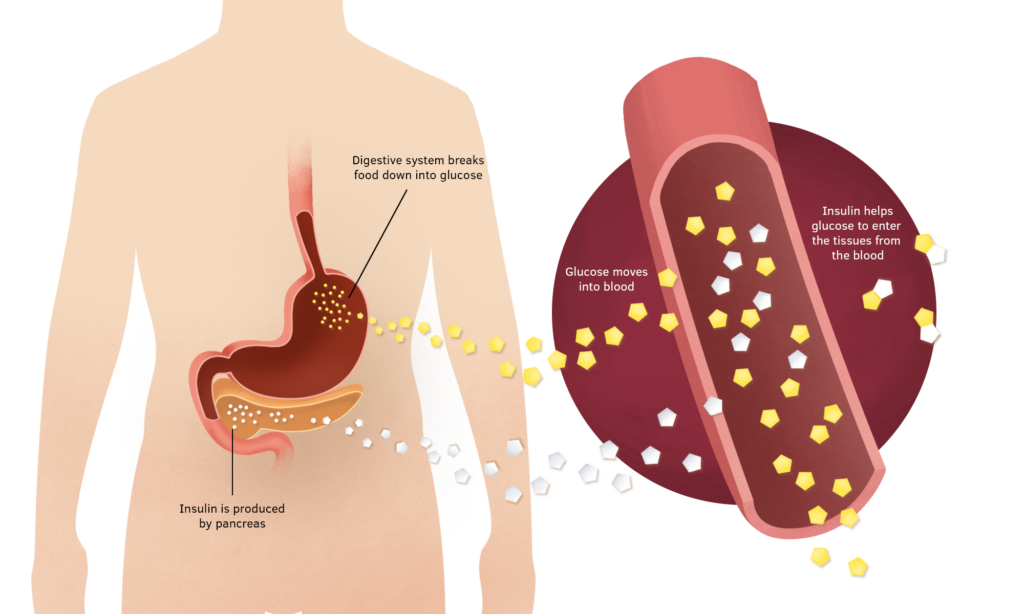
The pancreas produces insulin that controls glucose levels in the body.
Causes
Glucose is a type of sugar. It is an essential source of energy for the body’s cells. When we eat food containing glucose, our digestive system breaks the food down to release the glucose. The glucose is then absorbed into the bloodstream. It moves around the body in the blood, to be absorbed by cells that use it as an energy source. Insulin is a hormone produced by the pancreas, which helps the glucose enter the cells.
In type 2 diabetes, the cells of the body become resistant to insulin. This is known as insulin resistance. The pancreas can still make insulin, but the cells do not respond well to the insulin. As a result, glucose cannot enter the cells and stays in the bloodstream. The high blood glucose level prompts the pancreas to make more insulin. Eventually, this places significant stress on the pancreas, to the point where it stops producing insulin. When this happens, insulin injections will be needed lifelong.
Insulin resistance can result in high levels of blood glucose, a state known as hyperglycaemia. If hyperglycaemia is not treated, it can cause serious health problems.
Risk factors
There are several factors that can increase your risk of developing type 2 diabetes:
Age
The risk of developing type 2 diabetes increases with age, particularly from 40 years onwards
Lifestyle
Lifestyle factors that can increase your risk of type 2 diabetes, include:
- Low levels of physical activity and exercise.
- An unhealthy diet, high in processed foods, fats and glucose, and;
Weight
Most people who are diagnosed with type 2 diabetes carry extra weight or are obese. The more weight you carry, the greater the risk.
Genetics
Having family members who have type 2 diabetes increases the risk of developing the condition.
People from certain ethnic backgrounds are also at increased risk, including:
- People of Aboriginal and Torres Strait Islander descent;
- People of Polynesian or Melanesian background;
- People of Chinese descent, and;
- People from the Indian subcontinent.
Gestational diabetes and Polycystic Ovary Syndrome (PCOS)
Women who develop gestational diabetes during pregnancy, or who have had a baby weighing 4.5kgs or more at birth, are at increased risk of developing type 2 diabetes later in life.
Women with polycystic ovary syndrome (PCOS) are also at increased risk.
Medications
Drugs that increase the risk of developing type 2 diabetes include:
- Antipsychotic medications (such as clozapine and olanzapine);
- Beta blockers (such as metoprolol or propranolol);
- Some diuretics (such as hydrochlorothiazide) and;
- Long-term use of corticosteroids (such as prednisolone).
Signs and symptoms
It is very common for people with type 2 diabetes to not experience any symptoms, particularly in the early stages. However, there are three symptoms that are common when glucose levels are very high. These symptoms are:
- Increased thirst;
- Increased hunger, and;
- Increased frequency of urinating.
Other symptoms can include:
- Slow healing of skin wounds or sores;
- Thrush or urine infections;
- Headaches and dizziness;
- Blurred vision, and;
- Pain or tingling in the legs and/or feet
Methods for diagnosis
If you have symptoms or signs of diabetes, your doctor may recommend a blood test. Before this test, you may need to follow certain directions, such as not eating for a period of time before the test. It is important to follow these directions so that the test results are as accurate as possible.
There are several different blood tests. All of them measure the amount of glucose in the blood. These tests can include:
Random plasma glucose test
This test is performed at any time. Your doctor will take a blood sample. You will not be asked to fast – you can eat or drink as normal. A test result of 11.1mmol/L or higher suggests type 2 diabetes.
Fasting plasma glucose test
You will be asked to fast overnight – not to have any food or drink (except water) overnight, and no breakfast. Your doctor will then take a blood sample. A result of 7.0mmol/L or higher can confirm the diagnosis of type 2 diabetes.
HbA1c test
A glycated haemoglobin (HbA1c) test can show the average blood glucose level over the past three months. An HbA1c test result of greater than 6.5% is suggestive of type 2 diabetes.
Oral glucose tolerance test
An oral glucose tolerance test (OGTT) is another way to diagnose uncertain cases of type 2 diabetes. In this test, you need to fast overnight (no breakfast) and then have a blood test to measure the level of glucose in the blood. You will then be given a drink containing 75 grams of glucose to consume. Two more blood samples are taken one and two hours after you consume the drink. A test result of 11.1mmol/L or higher at two hours after consuming the drink confirms the diagnosis of type 2 diabetes.
Types of treatment
The key to treatment is keeping your blood glucose level within a healthy range. It requires daily care to prevent serious complications.
You will often have several health professionals regularly reviewing and helping you to guide your treatment. However, you will need to play an active role in your care.
Treatment is tailored to each person’s needs and includes a combination of medications and:
- Education about how to look after yourself;
- Meal planning and weight control;
- Regular physical activity;
- Regular testing of your blood glucose levels;
- Blood pressure and cholesterol control;
- Foot care, and;
- Eye care.
Lifestyle changes
In early type 2 diabetes, your blood glucose level can often be managed effectively by making lifestyle changes:
Healthy diet
A healthy, well-balanced diet can help to manage your blood glucose level. A diet that is low in processed foods, and with plenty of fruits, vegetables and whole grains is recommended. If you need help planning your meals, a dietician can provide guidance.
The glycaemic index is a measure of how quickly the glucose level in your blood rises after eating a particular food. High glycaemic foods result in a quick rise in blood glucose, followed shortly after by a quick fall. Low glycaemic foods have a more gradual rise in glucose and result in a more sustained, lower glucose level. Low glycaemic foods help to control your glucose levels if you have type 2 diabetes.
Physical activity
Regular physical activity is an important part of controlling blood glucose. However, it is important to talk to your doctor about which activities are suitable, and any precautions you may need to take in order to be active safely.
Weight loss
For people who are overweight or obese, losing weight can help to improve blood glucose control, as well as help with other health conditions, such as high blood pressure (hypertension). Weight loss can be challenging, but even losing a small amount, for example 5% of your body weight, can help.
Quit smoking
Smoking significantly increases the risk of complications from type 2 diabetes. If you smoke, your doctor can provide guidance and help with quitting.
Medication
Some people with type 2 diabetes may be prescribed medications to help control their blood glucose level.
Oral medications
Oral medications (medications taken by mouth) lower the blood glucose level in different ways.
Some medications work by reducing insulin resistance. They include:
Metformin, and;
Glitazones such as pioglitazone and rosiglitazone.
Other medications work by increasing insulin production, such as:
Sulphonylureas, including gliclazide and glibenclamide, and;
DPP4 inhibitors, including sitagliptin and vildagliptin.
Then there are other medications with differing mechanisms of actions, such as:
SGLT2 inhibitors (sometimes called ‘Gliflozins’), including dapagliflozin, empagliflozin, and ertugliflozin;
Alpha glucosidase inhibitor (acarbose), and
Thiazolidinediones (pioglitazone).
Insulin
People with type 2 diabetes may eventually require treatment with insulin if their pancreas can no longer produce enough of its own. Insulin is given by an injection under the skin. There are many different types of insulin, with different periods of activity, including:
- Rapid-acting insulin, which starts working within 5-15 minutes and peaks 30-90 minutes after injecting;
- Short-acting insulin, which starts working 30-60 minutes after injection and generally peaks in 2-4 hours;
- Intermediate-acting insulin, which starts working 1-3 hours after it is taken and peaks in eight hours, and;
- Long-acting insulin, which can provide coverage for as long as 20-26 hours.
Insulin can be injected using a syringe, but more conveniently it comes as an insulin pen with a fine needle.
Some people can use an insulin pump. This is a small, wearable device that be programmed to deliver insulin automatically.
If you are advised to take insulin, a diabetes educator or nurse will usually train you to use your insulin.
Non-insulin injectables
There is an injectable medication for type 2 diabetes that mimics the hormone glucagon-like peptide-1 (GLP-1), which is produced in the stomach when you eat. This medication stimulates insulin production, slows stomach emptying to prolong the feeling of fullness, and may aid in weight loss. It is administered via injection only. GLP-1 medications are not a substitute for insulin and are unsuitable for people with type 1 diabetes unless supervised by an endocrinologist. Your doctor or diabetes educator will teach you how to use these medications, which include: dulaglutide (Trulicity®), exenatide (Byetta®) and semaglutide (Ozempic®).
Self-testing
Most people with type 2 diabetes may need to regularly check their blood glucose levels.
This is particularly the case if you:
- Use insulin to help control your type 2 diabetes;
- Are pregnant or planning a pregnancy, or;
- Are experiencing changes in your lifestyle or treatment, or have other health conditions that cause your blood glucose level to change quickly.
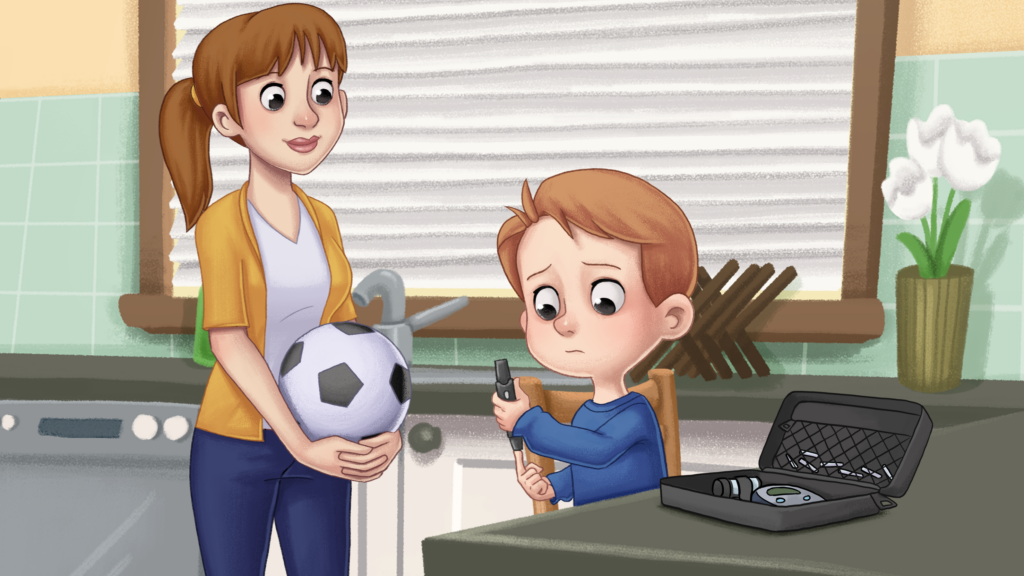
Regular checks help to identify extremes in your blood glucose level, and to calculate the amount of insulin needed. There are many portable devices that can test blood glucose levels. They all rely on using a sample of blood taken from a finger prick to provide a quick reading. These devices need to be carefully maintained for them to be accurate. Your doctor, nurse or pharmacist can provide all the necessary information about these devices.
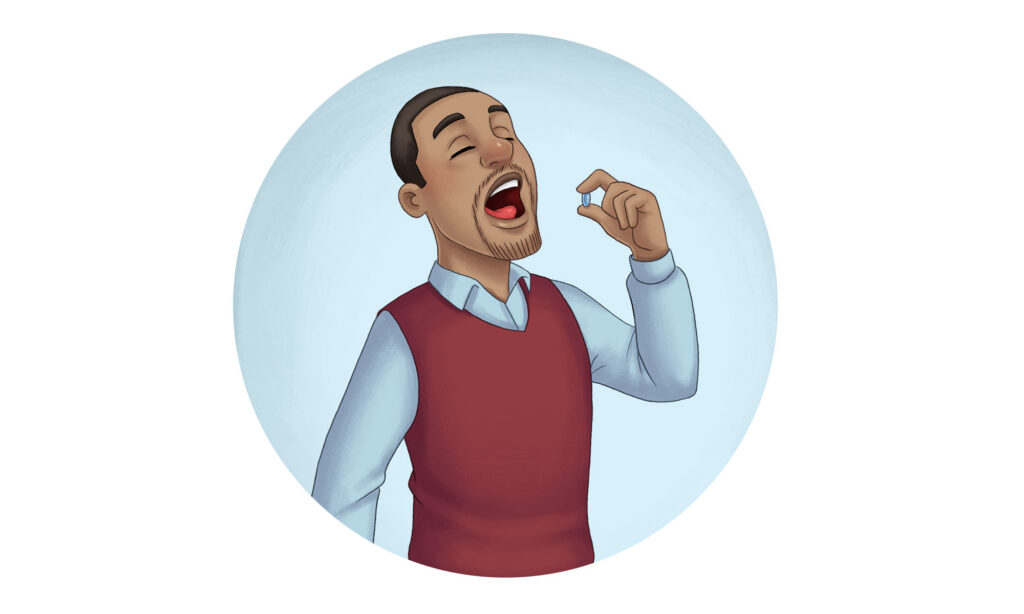
In some cases, type 2 diabetes can be managed with oral medications.
Potential complications
High levels of blood glucose can damage many parts of the body and cause serious health problems. Careful management can help to prevent these conditions and minimise their effect on your health.
Hypoglycaemia
Hypoglycaemia is when your blood glucose level falls too low. It can happen to people taking certain medications or insulin for type 2 diabetes, particularly if they delay or miss a meal, drink alcohol, or are more physically active than usual.
If your blood glucose level falls too low, particularly if it is less than 4mmol/L, symptoms can include:
- Feeling weak, light-headed or dizzy;
- Trembling and shaking;
- Feeling hungry;
- Sweating;
- Difficulty concentrating;
- Feeling irritable or teary, and;
- Feeling numb around the fingers or lips.
If this happens, eat something sweet (such as a lolly), followed by a more substantial meal (such as a sandwich). Wait until your blood glucose levels go back to normal before you become active again.
Severe hypoglycaemia is a serious condition and people can lose consciousness (faint). Monitoring your blood glucose level, and taking steps to increase it when it begins to drop, can help prevent hypoglycaemia.
In severe cases of hypoglycaemia, when a person loses consciousness, a shot of glucagon can be given to help quickly raise the levels of blood glucose. Because glucagon is usually used if individuals lose consciousness, it is very helpful if family, close friends and workmates can be educated on how to give the glucagon shot.
Heart disease
Heart disease is when the heart and blood vessels of the body are damaged. This can result in high blood pressure (hypertension), which causes your heart to work much harder to pump blood around the body. Atherosclerosis can occur when arteries are damaged and become clogged with plaques of fats and other products. If not treated, atherosclerosis and high blood pressure significantly increase your risk of heart attack, stroke and kidney damage.
Nerve damage
Nerve damage (neuropathy) is common in the lower legs of people who have had diabetes for a long time, particularly if your blood glucose level has not been under control.
There are two main types of neuropathy: peripheral and autonomic. The most common in type 2 diabetes is peripheral neuropathy, which can cause tingling, numbness, discomfort, and pain that usually begins at the tips of the toes or fingers and steadily moves up the limbs. Autonomic neuropathy can affect many parts of the body and may cause dizziness, fainting, urinary problems, excessive sweating and digestive system problems such as nausea, vomiting, diarrhoea and constipation.
Kidney damage
Kidney damage (nephropathy) occurs when blood vessels in the kidneys are damaged over time by high blood glucose levels. In the long-term, damage can lead to end-stage kidney disease. In this case, dialysis or a kidney transplant will be needed.
Eye conditions
Type 2 diabetes can damage blood vessels in the back of the eye (the retina), leading to a condition called diabetic retinopathy. This can potentially lead to vision loss or blindness. Diabetes also increases the risk of other serious eye conditions such as glaucoma and cataracts.
People with type 2 diabetes are recommended to have an eye examination at least once every two years, or sometimes more often if there are any signs of eye conditions, your diabetes is not well controlled, or you have had diabetes for a long time.
Foot problems
Nerve and blood vessel damage may lead to ulcers and serious foot problems that are difficult to treat. In severe cases, but rare cases, the lower limb may need to be amputated.
As the feet are prone to injury and infection, and are slow to heal, it is important to prevent injury by checking and caring for them daily. A foot specialist (podiatrist) can treat symptoms of type 2 diabetes associated with foot damage.
Foot problems related to type 2 diabetes are a major cause of disability and are the reason for a large proportion of hospital stays.
Skin and mouth problems
With type 2 diabetes, you can be more prone to bacterial and fungal infections, such as thrush of the skin and mouth.
Sexual problems
Most people with type 2 diabetes are able to lead normal sex lives. However, men with type 2 diabetes can be at greater risk of erectile dysfunction.
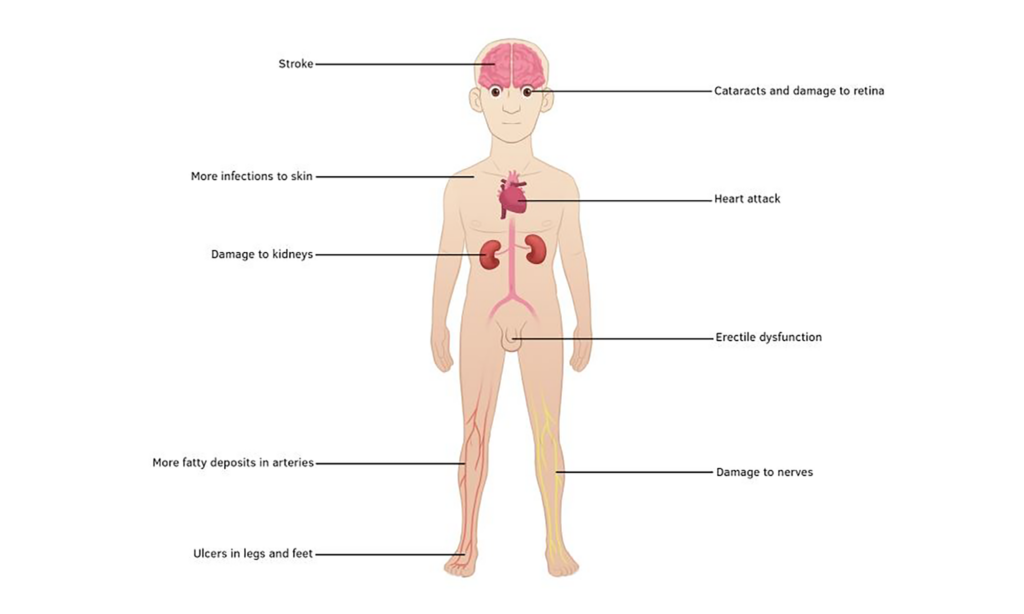
Long-term complications of type 2 diabetes.
Prognosis
Although it develops slowly, type 2 diabetes is a very serious health condition that requires lifelong management. It is a significant cause of health conditions including heart disease, stroke, kidney failure and blindness.
However, by managing blood glucose levels effectively, having regular check-ups and seeking treatment early for any complications, it is possible to reduce the risk of these health problems.
Prevention
Most people who develop type 2 diabetes do so very slowly. This period is sometimes called pre-diabetes.
Lifestyle changes, such as eating a healthy diet low in fat, being physically active and losing weight if you are overweight or obese, can help to prevent or delay type 2 diabetes. For people who have been diagnosed, these lifestyle changes can make it easier for them to control their blood glucose level and stay healthy.
FAQs

What is type 2 diabetes?
Type 2 diabetes is a long-term condition that impairs a person’s ability to control the level of glucose (sugar) in the blood. Because blood glucose levels need to be within a normal range for a person to be healthy, type 2 diabetes can lead to serious health problems.
What are the symptoms of type 2 diabetes?
It is very common for people with type 2 diabetes to not experience any symptoms, particularly in the early stages of the condition. However, there are certain symptoms that are common when glucose levels are very high. These symptoms include increased thirst, increased frequency of urinating, tiredness, and hunger.
Who gets type 2 diabetes?
Anyone can get type 2 diabetes, but the risk increases as you get older, if you are overweight or obese, have previously had gestational diabetes, or have a family history of type 2 diabetes.
How is type 2 diabetes diagnosed?
Diabetes is diagnosed with laboratory tests that analyse a blood sample for the amount of glucose present in the blood.
What causes type 2 diabetes?
Type 2 diabetes occurs because cells in the body become resistant to a hormone called insulin, which plays an important role in helping glucose pass into cells in the body. While there is a range of factors that increase the risk of developing type 2 diabetes, lifestyle behaviours such as eating a poor diet, carrying extra weight, and leading a mostly sedentary lifestyle with little physical activity, can increase your risk significantly.
How is type 2 diabetes treated?
Depending on how advanced type 2 diabetes is, it is treated with a combination of medications and lifestyle changes, such as eating a healthy diet and getting regular exercise. People with diabetes may often also need to see a range of healthcare providers such as podiatrists (foot specialists) and ophthalmologists (eye specialists) to check for common complications.
Can type 2 diabetes be prevented?
Most people who develop type 2 diabetes do so very slowly. This period is sometimes called pre-diabetes. Lifestyle changes such as eating a healthy diet that is low in processed foods, being physically active and losing weight if you are overweight or obese can help to prevent or delay type 2 diabetes. For people who have been diagnosed, these lifestyle changes can make it easier for them to control blood glucose levels and stay healthy.
Is type 2 diabetes serious?
Although it develops slowly, type 2 diabetes is a very serious health condition that requires lifelong management. It is a significant cause of health conditions including heart disease and stroke, kidney failure and blindness.
What can make type 2 diabetes worse?
Not managing your blood glucose (sugar) levels can increase your risk of serious complications of type 2 diabetes. Smoking, in particular, increases the risk of complications.
How common is type 2 diabetes?
In Australia, type 2 diabetes is the fastest growing chronic condition, affecting almost 1 million people. Another 2 million people have pre-diabetes and are at a high risk of going on to develop type 2 diabetes.
Related topics
Type 1 diabetes
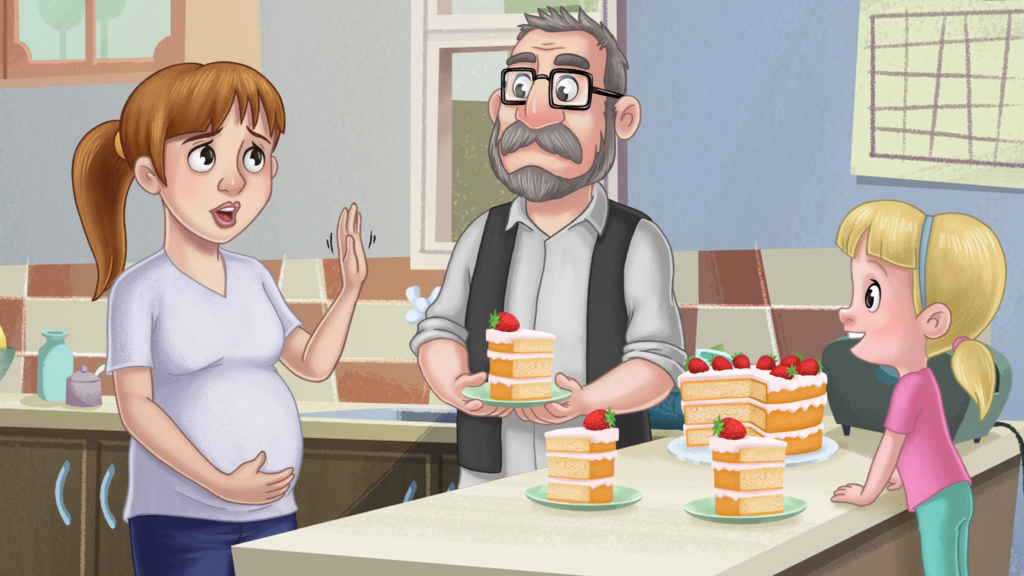
Gestational diabetes
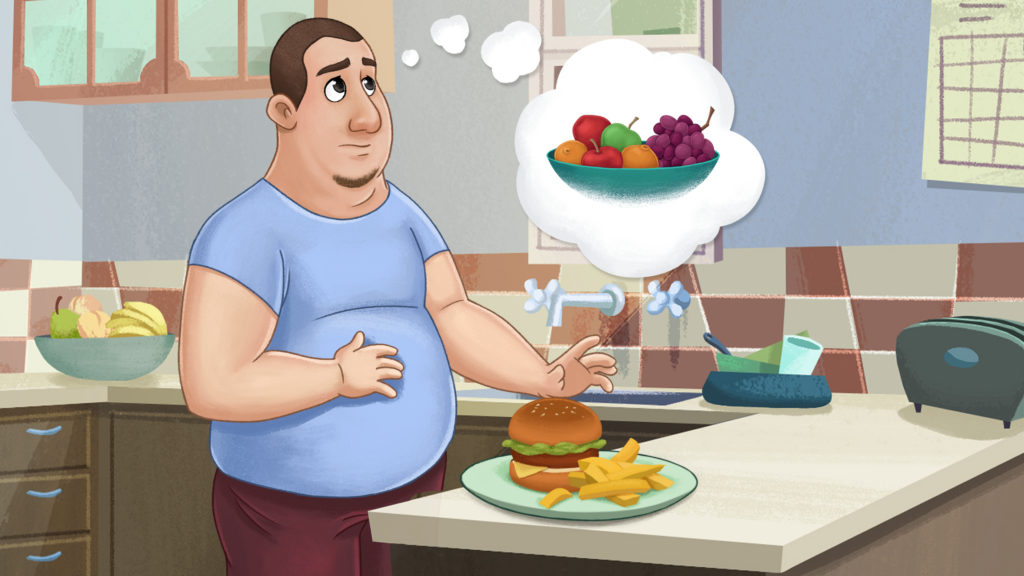
Obesity

Healthy eating
Content Integration
Integrating our content is simple and versatile
We offer multiple integration options to suit your needs for waiting room TV’s and kiosks, websites, connecting with patient portals, or sharing via secure links for social media platforms.
Our library is compatible with a variety of content management systems (CMS) and healthcare apps, ensuring a smooth user experience.